 Merken
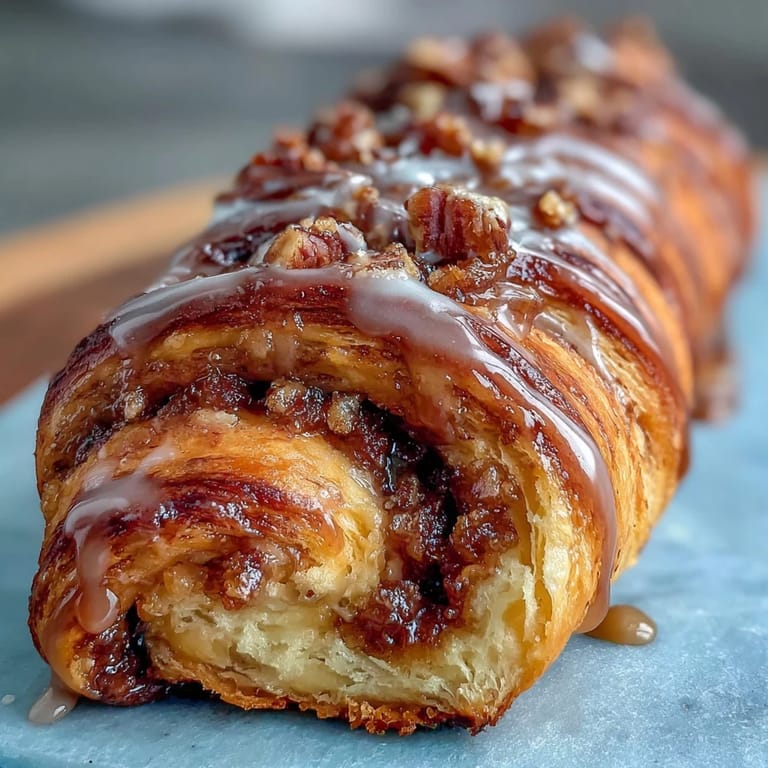
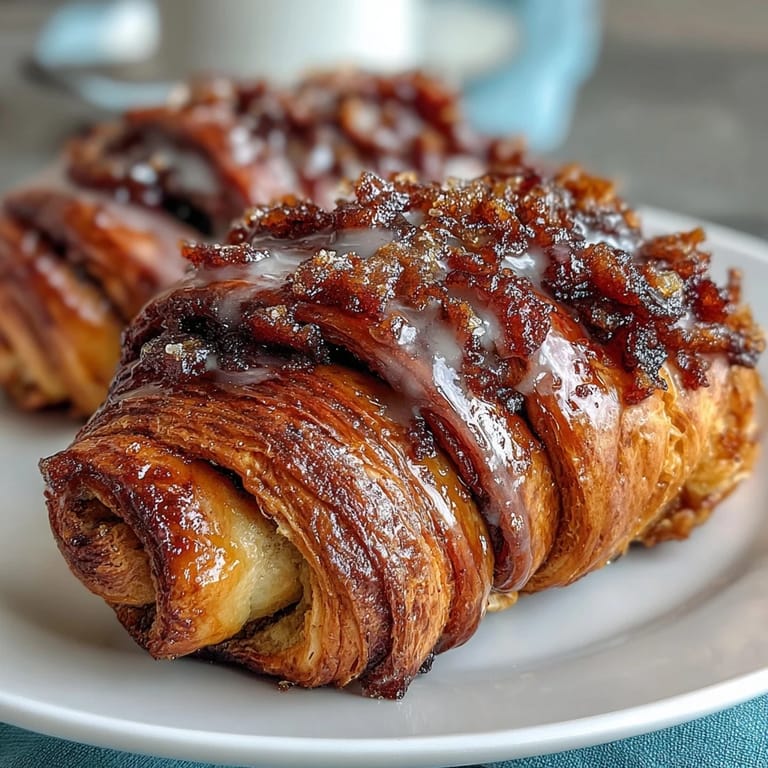
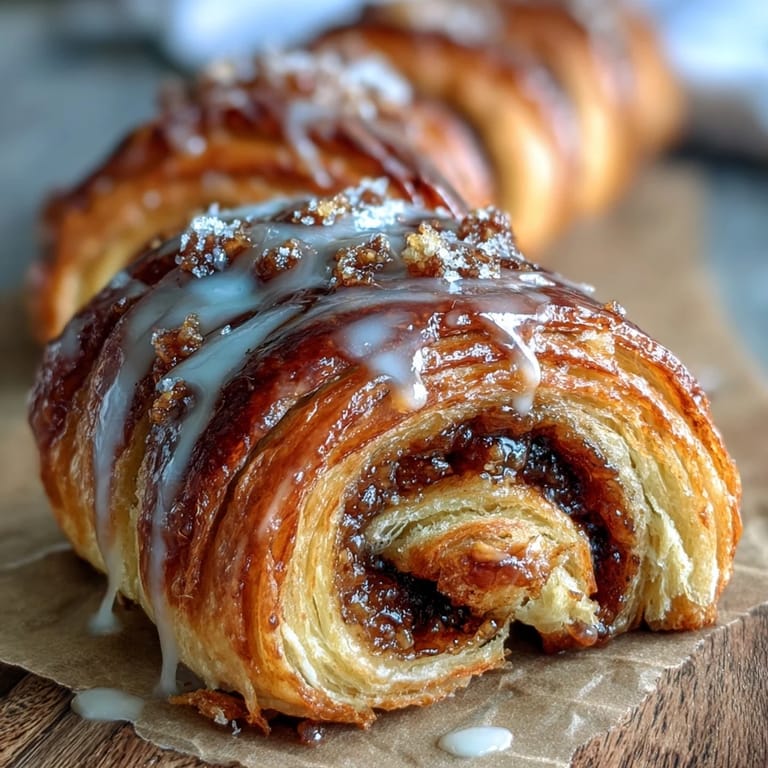
 One Sunday morning, my kitchen smelled like a citrus grove had exploded across my countertop. I'd grabbed a can of crescent dough on impulse, some oranges from the farmer's market, and wondered if I could turn them into something that felt fancy but took almost no time. Twenty-five minutes later, I had twelve golden, fragrant rolls that made my partner stop scrolling through their phone and actually look at breakfast. That's when I knew these little things had potential.
I made these for my book club once, and they vanished before we even opened the first chapter. Someone asked if I could make them monthly, which was both flattering and terrifying because honestly, I was just experimenting. That's the beautiful thing about these rolls—they taste intentional even though they're wonderfully simple.
Ingredients
- 1 can crescent roll dough: This is your shortcut to buttery, flaky layers without any of the laminating work—just make sure it's cold when you start so it holds the filling without falling apart.
- 2 tbsp unsalted butter, softened: Softened butter spreads evenly and helps the sugar and zest stick to the dough instead of sliding around during rolling.
- 1/4 cup granulated sugar: This caramelizes slightly at the edges where the dough gets crispy, creating little pockets of sweetness.
- Zest of 1 large orange: The zest does the heavy lifting here—use a microplane if you have one, because it captures all those fragrant oils without including the bitter white pith.
- 1/2 tsp pure vanilla extract: A small amount deepens the orange flavor without making it taste like vanilla; it's like turning up the volume on what's already there.
- 1/2 cup powdered sugar: This dissolves into a silky glaze that clings to the warm rolls and hardens just enough to hold its shape.
- 1–2 tbsp fresh orange juice: Fresh juice matters because bottled tastes flat by comparison; start with 1 tablespoon and add more until your glaze pours slowly from a spoon.
Tired of Takeout? 🥡
Get 10 meals you can make faster than delivery arrives. Seriously.
One email. No spam. Unsubscribe anytime.
Instructions
- Get your oven ready and prepare your pan:
- Preheat to 375°F and line a baking sheet with parchment or lightly grease a mini muffin tin—parchment is honestly easier because the glaze won't stick to it later. If you're using a muffin tin, the rolls bake more evenly upright and look beautiful that way.
- Unroll and seal the dough:
- Lay out the crescent dough rectangle and gently pinch all those perforations together so you have one solid surface to work with. Don't stress about perfection here—any small gaps will just add to the rustic charm.
- Make the filling and spread it:
- Combine softened butter, sugar, orange zest, and vanilla in a bowl until it looks like wet sand. Spread this mixture evenly across the entire dough rectangle, leaving maybe a half-inch border so nothing squeezes out when you roll.
- Roll and slice with confidence:
- Starting from the longer edge, roll the dough tightly into a log—you want it snug enough that the filling stays inside but not so tight that you're wrestling with it. Using a sharp knife (or even dental floss if things get messy), cut the log into twelve equal pieces.
- Arrange for baking:
- Place the rolls cut-side up on your prepared surface, spacing them so they can puff without touching. The cut side facing up lets the spiral show and helps them bake evenly.
- Bake until golden:
- Set your timer for 13 to 15 minutes—you're looking for deep golden-brown edges, not just pale tan. Your kitchen will smell like an orange orchard by minute ten, which is a good sign.
- Prepare the glaze while rolls cool:
- Whisk powdered sugar with orange juice gradually, stopping when you reach a consistency that drizzles smoothly but isn't watery. Taste it and decide if you want to add that extra orange zest for brightness.
- Glaze and serve:
- Let the rolls cool for about five minutes—not long enough that they're cold, just cool enough to handle. Drizzle the glaze over each one and serve them while they're still warm, when the butter is soft and the flavors are singing.
 Merken
 There's something quietly wonderful about handing someone a warm pastry that took you barely thirty minutes and watching their expression shift when they taste it. These rolls do that work for you.
Variations Worth Trying
If you want to play around, scatter chopped pecans or walnuts over the filling before rolling—they add texture and a subtle toasted flavor that plays beautifully against the citrus. For a more intense glaze, add a few drops of pure orange extract instead of using more juice; it's concentrated enough that you need very little. You could also try lemon zest instead of orange if you're in that mood, though you'll want slightly less because lemon can be sharp.
Storage and Make-Ahead Tips
These are honestly at their best served warm and fresh, but I know real life doesn't always work that way. You can prepare the rolls the night before—roll, slice, and refrigerate them covered overnight, then bake them in the morning and glaze while they're still hot. If you end up with leftovers, an airtight container keeps them reasonably soft for about two days, though honestly they're still good crumbly and dunked in coffee.
Why This Recipe Works Every Time
Crescent dough is engineered to rise beautifully, which means you're not fighting with temperamental yeast or worrying about over-proofing. The orange filling adheres to the buttery dough in a way that feels intentional rather than last-minute, and the glaze comes together so quickly that you can adjust it to your exact preference for sweetness and citrus intensity. This recipe works because it respects your time while still delivering something that tastes like you actually knew what you were doing.
- If your kitchen is cold, let the can of dough sit on the counter for a few minutes before opening—it unrolls much more smoothly when it's not rock hard.
- Zest your orange before you cut it in half for juice, because once it's exposed to air and warmth, you lose some of those fragrant oils.
- Taste your glaze before you drizzle it on the rolls; if it tastes too sweet, add a tiny squeeze of juice, and if it's too tart, add a touch more powdered sugar.
 Merken
 The magic of these rolls isn't in complexity or technique—it's in that moment when something this quick tastes like you actually put thought into it. Make them when you want to feel like a person who has their life together.
Rezept-Fragen
- → Welcher Teig eignet sich für die Mini Rolls?
Kühler Crescent-Teig ist ideal, da er sich leicht ausrollen und formen lässt, gleichzeitig flauschig und zart bleibt.
- → Wie verleiht die Orangenschale den Rollen Aroma?
Die Orangenschale liefert ätherische Öle, die den süßen Zucker und den Teig mit frischer Zitrusnote beleben.
- → Wie wird die Glasur hergestellt?
Eine Mischung aus Puderzucker und frischem Orangensaft sorgt für eine süße, leicht säuerliche Glasur, die über die auskühlenden Rollen geträufelt wird.
- → Kann man die Füllung variieren?
Ja, zum Beispiel mit gehackten Nüssen wie Pekannüssen für zusätzlichen Geschmack und Biss.
- → Wie lange bleiben die Mini Rolls frisch?
Am besten frisch genießen; luftdicht verschlossen halten sie sich bis zu zwei Tage.